Mid-Roll Ads: Complete Guide for Video Publishers & Ad Ops Teams
Master mid-roll advertising with our comprehensive guide. Learn placement strategies, optimization techniques, and revenue maximization for publishers.
Mid-Roll Ads: Complete Guide for Video Publishers & Ad Ops Teams
Mid-roll ads represent one of the most lucrative yet delicate advertising formats in video monetization. As video content consumption continues to surge across digital platforms, publishers are increasingly turning to mid-roll advertising to maximize revenue while maintaining viewer engagement. This comprehensive guide explores everything publishers and ad operations professionals need to know about implementing, optimizing, and scaling mid-roll ad strategies.
What Are Mid-Roll Ads?
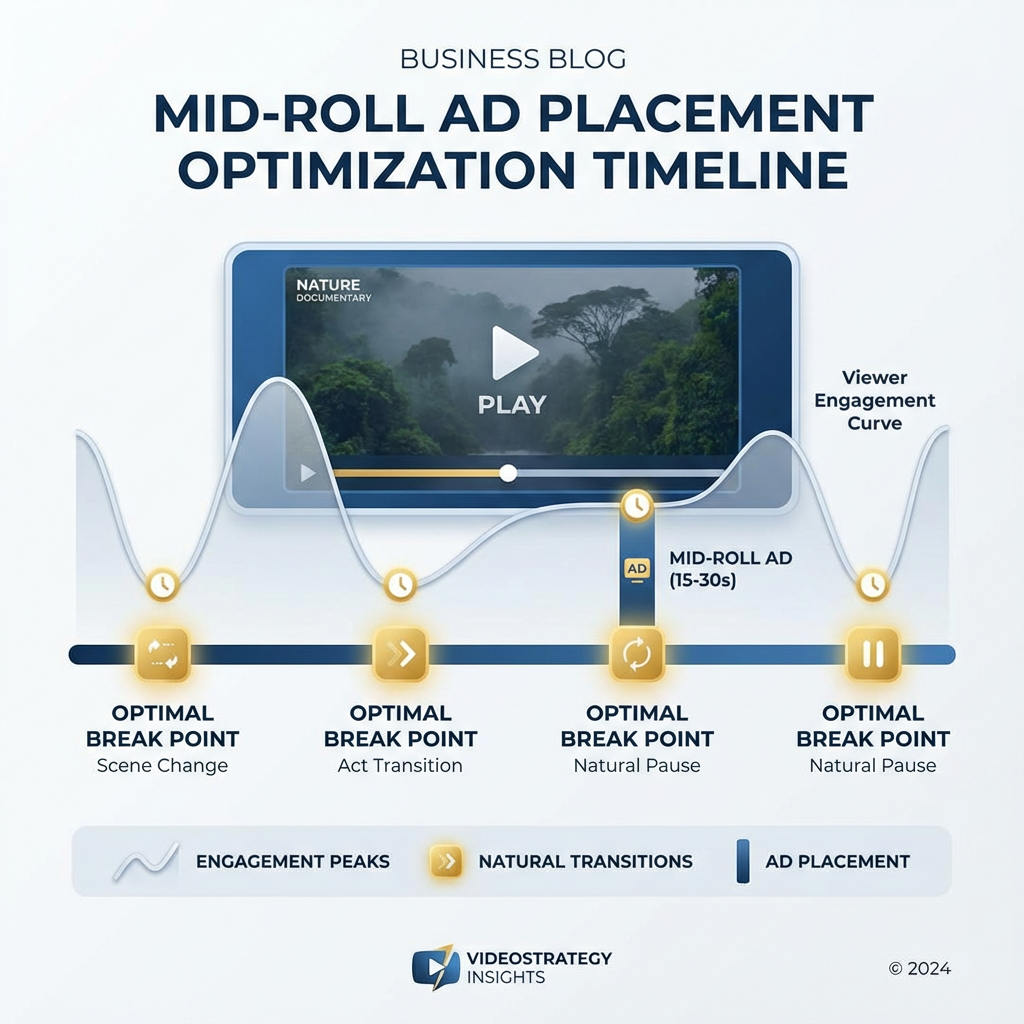
Mid-roll ads are video advertisements that appear during the middle of video content, interrupting the viewing experience at predetermined intervals or natural content breaks. Unlike pre-roll ads that play before content begins or post-roll ads that appear after content ends, mid-roll ads are inserted within the content stream, making them highly visible and difficult for viewers to skip or ignore.
These advertisements typically range from 15 to 30 seconds in length and can be either skippable or non-skippable, depending on the publisher's strategy and platform capabilities. Mid-roll ads have become a cornerstone of video monetization strategies due to their high viewability rates and strong completion metrics.
Key Characteristics of Mid-Roll Ads
- Strategic placement: Positioned at natural content breaks or dramatic pauses
- High engagement: Viewers are already invested in the content
- Premium pricing: Command higher CPMs than pre-roll or post-roll formats
- Flexible timing: Can be triggered by time intervals or content cues
- Multiple placements: Long-form content can accommodate several mid-roll breaks
The Evolution of Mid-Roll Advertising
The concept of mid-roll advertising isn't new—traditional television has used commercial breaks for decades. However, the digital adaptation has required significant innovation in ad serving technology, viewer experience optimization, and content integration strategies.
Digital mid-roll advertising gained prominence as streaming platforms and video publishers sought ways to replicate television's successful advertising model while adapting to online viewing behaviors. The format has evolved from simple time-based interruptions to sophisticated, AI-driven placement strategies that consider viewer engagement patterns, content context, and optimal break points.
Strategic Placement and Timing
Content-Based Placement Strategy
Successful mid-roll implementation requires careful consideration of content structure and natural breakpoints. Publishers should analyze their video content to identify:
Natural Pause Points:
- Scene transitions in entertainment content
- Topic shifts in educational videos
- Commercial breaks in live sports or events
- Chapter breaks in long-form content
- Dramatic pauses or cliffhanger moments
Content-Specific Timing:
- News content: Between story segments
- Tutorial videos: Between procedural steps
- Gaming content: During loading screens or level transitions
- Interview content: Between questions or topics
Time-Based Placement Models
Fixed Interval Approach: This method places ads at predetermined time intervals, typically every 3-5 minutes for longer content. While simple to implement, this approach may interrupt content at awkward moments, potentially impacting viewer satisfaction.
Percentage-Based Placement: Ads are placed at specific percentages of total content duration (e.g., 25%, 50%, 75%). This method works well for varied content lengths and ensures consistent ad exposure regardless of video duration.
Dynamic Placement Algorithm: Advanced systems analyze content audio and visual cues to identify optimal placement points automatically. This technology considers factors like:
- Audio silence detection
- Scene change recognition
- Speaker transition identification
- Content sentiment analysis
Revenue Optimization Strategies
Maximizing CPM Through Strategic Implementation
Mid-roll ads typically command 2-3x higher CPMs than pre-roll ads due to their premium positioning and higher completion rates. Publishers can further optimize revenue through:
Ad Density Optimization:
- Test different ad frequencies to find the sweet spot between revenue and user experience
- Implement progressive ad loading for longer content
- Use A/B testing to determine optimal ad break frequency
Format Diversification:
- Mix skippable and non-skippable ad formats
- Incorporate interactive ad elements
- Test different ad lengths (15s, 30s, 60s)
- Implement companion banners for additional inventory
Audience Segmentation:
- Deliver targeted mid-roll experiences based on viewer demographics
- Adjust ad frequency for returning vs. new visitors
- Implement subscription-based ad-free tiers for premium users
Advanced Monetization Techniques
Contextual Ad Serving: Align advertisement content with video themes to improve relevance and performance. For example:
- Technology ads in tech review videos
- Automotive ads in car-related content
- Fashion ads in lifestyle content
Behavioral Targeting Integration: Leverage user data to deliver personalized ad experiences:
- Previous viewing history analysis
- Engagement pattern recognition
- Cross-platform behavior tracking
- Purchase intent signals
Technical Implementation Considerations
Ad Serving Infrastructure
Implementing mid-roll ads requires robust ad serving technology capable of:
Real-Time Decision Making:
- Instant ad selection based on targeting criteria
- Fallback ad serving for failed requests
- Latency optimization for seamless playback
- Cross-device synchronization
Quality Assurance Systems:
- Ad content verification and brand safety checks
- Technical compatibility testing
- Performance monitoring and alerting
- Fraud detection and prevention
Video Player Requirements
Publishers need video player solutions that support advanced mid-roll functionality. Modern video players like Veedmo provide comprehensive mid-roll advertising capabilities with features including intelligent ad placement, seamless ad insertion, and detailed analytics tracking to help publishers optimize their video monetization strategies.
Essential Player Features:
- VAST/VPAID compliance
- Server-side ad insertion (SSAI) capability
- Advanced analytics and reporting
- Cross-platform compatibility
- Mobile optimization
- Ad blocker detection and mitigation
User Experience Optimization
Balancing Revenue and Viewer Satisfaction
The challenge of mid-roll advertising lies in maximizing revenue while maintaining positive viewer experiences. Key considerations include:
Frequency Capping: Implement reasonable limits on ad exposure:
- Maximum ads per video session
- Minimum content duration between ads
- Progressive frequency reduction for loyal viewers
- Time-based frequency limits across sessions
Quality Control Measures:
- Curate advertiser content for brand alignment
- Implement viewer feedback mechanisms
- Monitor completion rates and drop-off points
- Regular user experience audits
Transparency and Control:
- Provide clear ad timing indicators
- Offer subscription-based ad-free alternatives
- Enable user preference settings
- Communicate value exchange clearly
Mobile-First Optimization
With mobile video consumption dominating digital media, mid-roll implementation must prioritize mobile user experience:
Mobile-Specific Considerations:
- Shorter ad durations for mobile viewers
- Touch-optimized interactive elements
- Network condition adaptive serving
- Battery usage optimization
- Portrait and landscape orientation support
Performance Metrics and Analytics
Key Performance Indicators (KPIs)
Successful mid-roll advertising requires continuous monitoring of critical metrics:
Revenue Metrics:
- Cost Per Mille (CPM)
- Revenue Per User (RPU)
- Fill rates and inventory utilization
- eCPM trends and optimization opportunities
Engagement Metrics:
- Completion rates by ad position
- View-through rates (VTR)
- Content abandonment at ad breaks
- Return viewer rates
- Time spent watching post-ad content
Technical Performance:
- Ad serving latency
- Error rates and failure analysis
- Device and browser compatibility metrics
- Network performance correlation
Advanced Analytics Implementation
Implement comprehensive tracking systems to gain actionable insights:
Cohort Analysis: Track viewer behavior patterns across different user segments:
- New vs. returning viewer ad tolerance
- Content category performance correlation
- Seasonal viewing pattern impacts
- Geographic performance variations
Predictive Analytics: Utilize machine learning to optimize ad placement:
- Viewer drop-off probability modeling
- Optimal ad timing prediction
- Content engagement forecasting
- Revenue optimization recommendations
Industry Best Practices and Standards
IAB Guidelines and Compliance
Adhere to Interactive Advertising Bureau (IAB) standards for video advertising:
Technical Standards:
- VAST 4.0 compliance for ad serving
- VPAID support for interactive advertisements
- SIMID implementation for secure ad delivery
- Open Measurement SDK integration
Quality Guidelines:
- Brand safety verification protocols
- Viewability measurement standards
- Ad fraud prevention measures
- Privacy regulation compliance (GDPR, CCPA)
Cross-Platform Consistency
Maintain consistent mid-roll experiences across distribution channels:
Platform-Specific Optimization:
- YouTube mid-roll best practices
- Facebook Watch integration strategies
- Connected TV (CTV) implementation
- Social platform adaptation
Future Trends and Innovations
Emerging Technologies
Artificial Intelligence Integration:
- Automated optimal placement detection
- Personalized ad frequency optimization
- Content-ad matching algorithms
- Predictive viewer behavior modeling
Interactive Advertising Evolution:
- Shoppable video advertisements
- Augmented reality ad experiences
- Voice-activated ad interactions
- Social sharing integration
Privacy-First Advertising:
- Cookieless targeting solutions
- First-party data utilization
- Contextual advertising advancement
- Privacy-preserving analytics
Market Evolution Predictions
Industry Growth Projections: Mid-roll advertising revenue is projected to grow significantly as:
- Connected TV adoption accelerates
- Streaming service proliferation continues
- Programmatic video advertising matures
- Cross-device viewing experiences improve
Technology Advancement Areas:
- Server-side ad insertion sophistication
- Real-time content analysis capabilities
- Advanced fraud detection systems
- Enhanced measurement and attribution
Implementation Roadmap for Publishers
Phase 1: Foundation Building
-
Technical Infrastructure Assessment
- Evaluate current video player capabilities
- Review ad serving technology stack
- Assess analytics and reporting systems
- Identify integration requirements
-
Content Audit and Strategy
- Analyze existing video content library
- Identify optimal content for mid-roll implementation
- Develop content-specific placement strategies
- Create advertiser-friendly content guidelines
Phase 2: Testing and Optimization
-
Pilot Program Launch
- Select test content and audience segments
- Implement A/B testing frameworks
- Monitor key performance indicators
- Gather viewer feedback and insights
-
Performance Analysis
- Evaluate revenue impact and optimization opportunities
- Assess user experience metrics
- Refine placement algorithms
- Adjust frequency and timing parameters
Phase 3: Scaling and Advanced Features
-
Full Implementation Rollout
- Deploy optimized mid-roll strategy across content library
- Implement advanced targeting capabilities
- Launch premium advertising packages
- Develop advertiser self-serve options
-
Continuous Improvement
- Regular performance reviews and optimizations
- Technology updates and feature additions
- Market trend adaptation and strategy evolution
- Competitive analysis and positioning adjustments
Conclusion
Mid-roll advertising represents a significant opportunity for video publishers to maximize revenue while delivering value to advertisers and maintaining positive viewer experiences. Success requires careful balance of technical implementation, user experience optimization, and continuous performance monitoring.
By following the strategies and best practices outlined in this guide, publishers can develop sophisticated mid-roll advertising programs that drive sustainable revenue growth while building loyal audience relationships. The key lies in treating mid-roll ads not as interruptions, but as integrated components of the overall viewing experience that provide value to all stakeholders.
As the digital video landscape continues evolving, publishers who master mid-roll advertising implementation will be best positioned to capitalize on growing advertiser demand and changing viewer consumption patterns. The investment in proper mid-roll strategy development and execution will pay dividends through improved monetization metrics and enhanced competitive positioning in the digital video marketplace.
Frequently asked questions
What is the optimal length for mid-roll ads?
Mid-roll ads typically perform best at 15-30 seconds in length. However, the optimal duration depends on content type, audience engagement levels, and advertiser objectives. Test different lengths to find what works best for your specific audience and content.
How many mid-roll ads should I include in my video content?
The ideal frequency is typically one mid-roll ad every 3-5 minutes of content, but this varies based on content type and audience tolerance. Long-form content (20+ minutes) can support multiple mid-roll placements, while shorter content may only accommodate one or two breaks.
Do mid-roll ads perform better than pre-roll ads?
Mid-roll ads generally achieve higher completion rates and CPMs than pre-roll ads because viewers are already engaged with the content. They typically see 2-3x higher CPMs, but must be balanced against potential negative impact on user experience.
How do I determine the best placement for mid-roll ads in my content?
Analyze your content for natural break points like scene transitions, topic changes, or dramatic pauses. Use analytics to identify where viewers typically pause or re-engage, and consider implementing AI-driven placement technology that detects optimal insertion points automatically.
What technical requirements are needed for mid-roll ad implementation?
You need a video player that supports VAST/VPAID standards, robust ad serving infrastructure, analytics tracking capabilities, and preferably server-side ad insertion (SSAI) technology. Cross-device compatibility and mobile optimization are also essential for successful implementation.